Examples
Inspect the work before you buy
Browse report samples, free scan examples, monitoring recaps, and custom-system packaging in one place.
View examplesRevenue-focused competitor intelligence
Zendory turns public competitor evidence into a ranked action plan for your offer, proof, pricing, page flow, and next response move. Tools gather signal; the final judgment is human-reviewed.
Start with Reports for most decisions. Choose Local Business when Maps, reviews, and booking flow are the pressure point. Use a free scan only when you still need proof. Add Monitoring after the baseline report proves useful. Use Custom Systems when you want Zendory to help package or implement the next workflow.
Examples
Browse report samples, free scan examples, monitoring recaps, and custom-system packaging in one place.
View examplesSample report
Open the live teardown page to see how a paid report is packaged for a buyer.
View sample reportFree-scan proof step
Open the free scan examples if you are not sure the leak is real enough for a paid report.
View free scan examplesZendory uses inspectable proof on-site: actual output pages, source-linked evidence, dated screenshots, recurring notes, and delivery standards.
Pick the lane
Most buyers should start with a manually reviewed Report. Start with Local Business when the leak is local. Use a free scan only as a proof step. Monitoring comes after the baseline exists. Custom Systems comes after the diagnosis is clear.
Get a manually reviewed competitor teardown on the offer, proof, pricing, and page gaps competitors use to win buyers.
Use it when
You are about to change an offer, page, campaign, or funnel and need the competitor-led answer first.
Best for
A ranked action list for offer clarity, proof placement, conversion friction, and messaging changes.
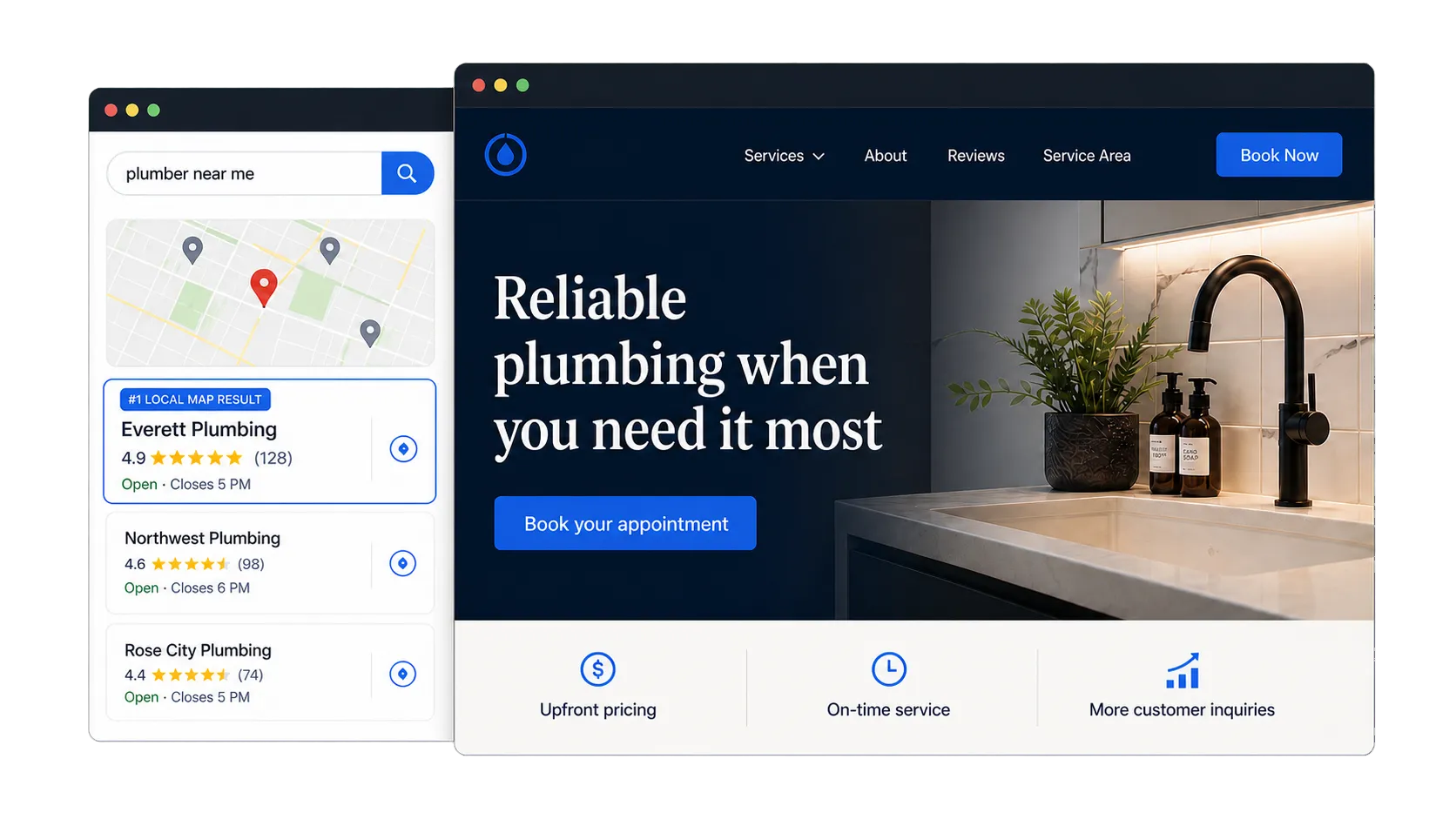
Get a manually reviewed local diagnosis on why nearby competitors win the call, booking, or quote request first.
Use it when
Maps visibility, reviews, service-area trust, or booking flow is the obvious pressure point.
Best for
Local visibility gaps, review trust issues, service-area positioning, and inquiry-flow fixes.
Track competitor launches, pricing changes, proof updates, and CTA shifts after the baseline report.
Use it when
The first report established the competitor set and the market keeps moving.
Best for
Recurring alerts, faster response decisions, and a lower-cost way to keep the baseline current.
Have Zendory turn a proven bottleneck into a practical workflow, handoff, or implementation plan after the diagnosis is clear.
Use it when
The diagnosis is clear and the next problem is execution, runtime, ownership, or repeatability.
Best for
Implemented workflows, automated handoffs, and a repeatable operating layer the team can own after launch.
Good fit
This is for teams making a decision about offer, page, proof, pricing, or response strategy. It is not a substitute for a generic analytics stack, an automated scanner, or a full execution retainer.
Best for
Best when the homepage, offer, pricing, trust blocks, or CTA path is about to change and you want the manually reviewed competitor answer first.
Not for
Not for buyers who only want rank tracking, raw exports, media buying, or an automated scan with no human priority call.
What you usually find
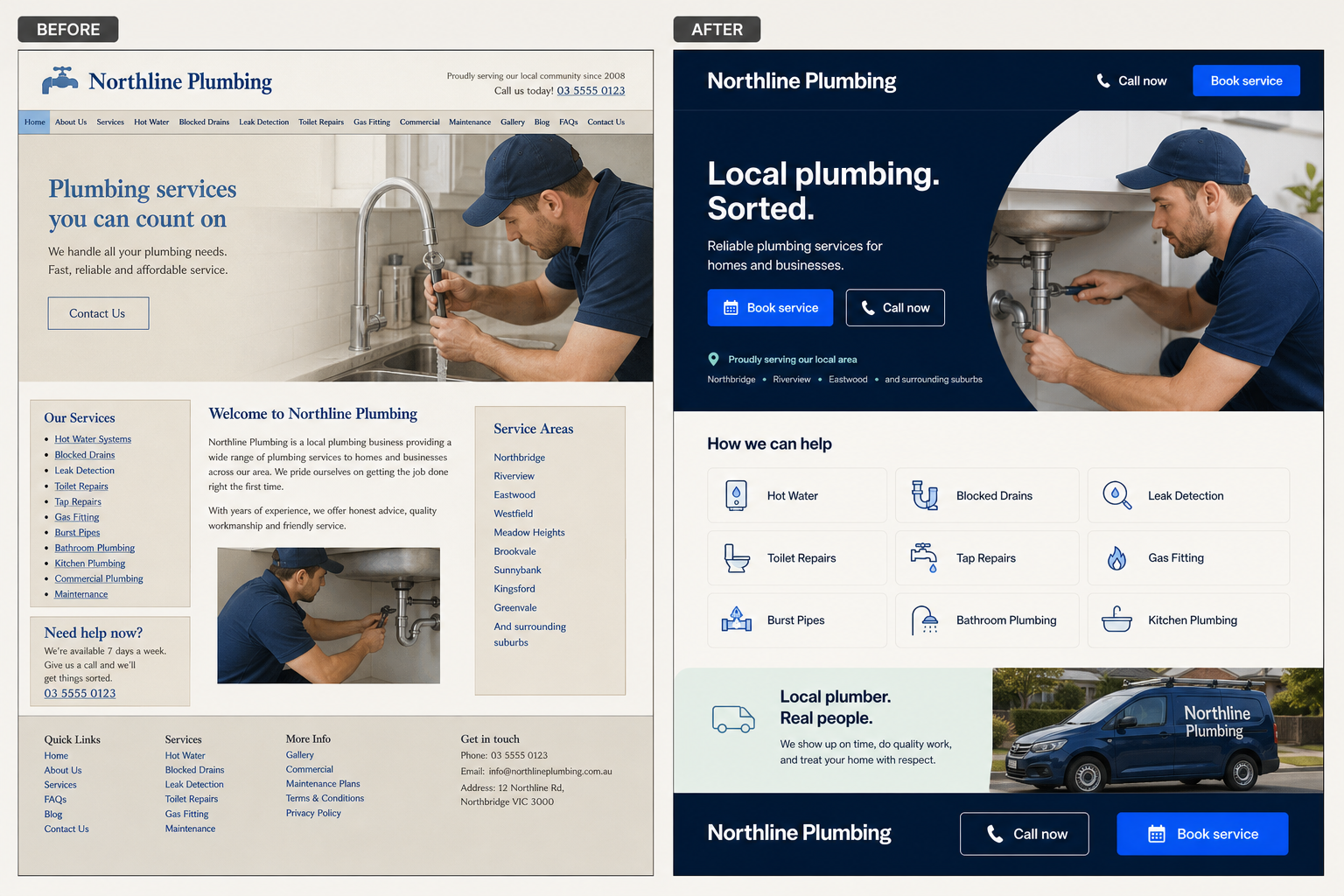
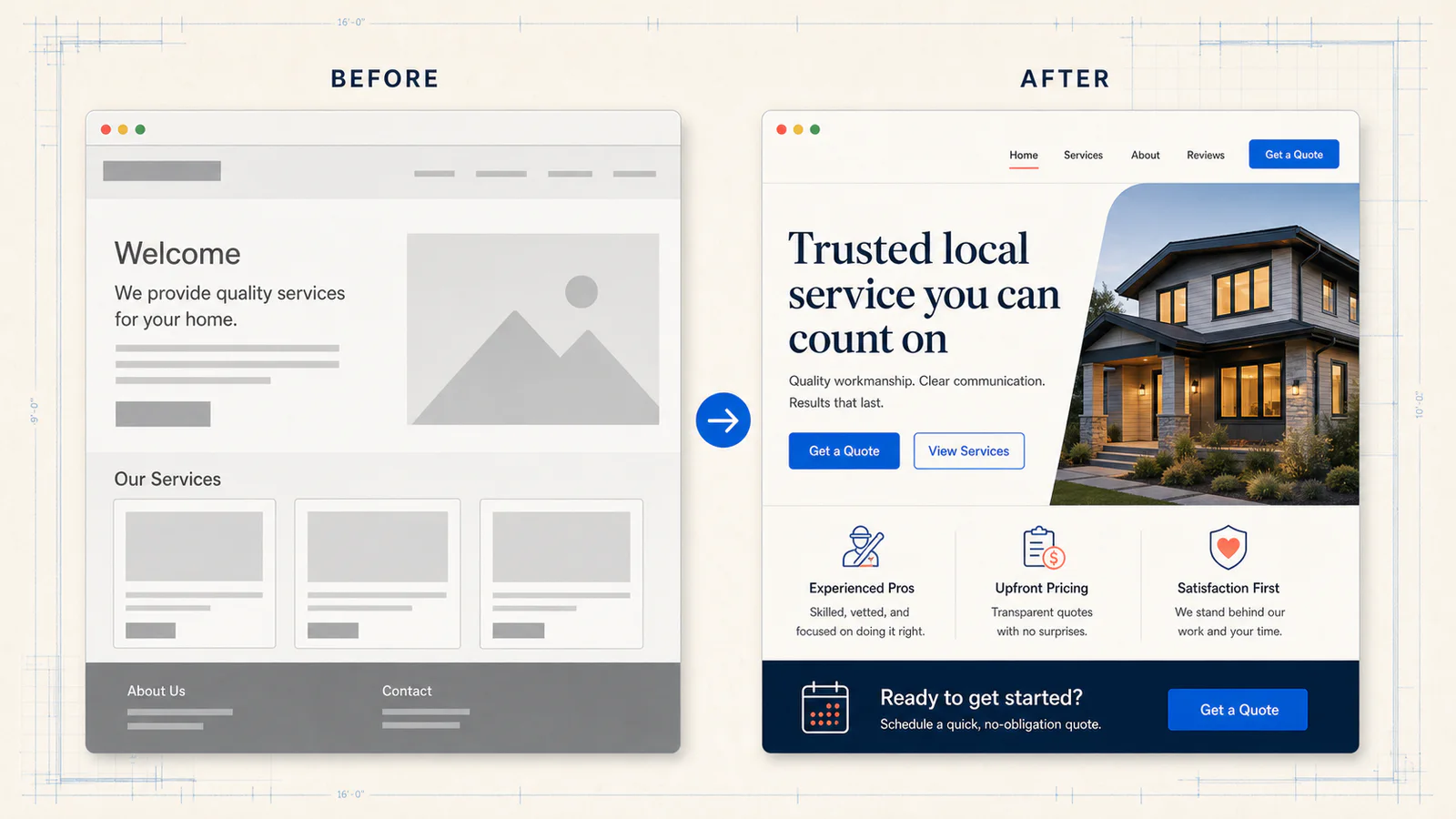
The output shows where proof is weaker, pricing is less clear, the offer lands softer, or the CTA path creates hesitation.
What happens next
The report ends with changes around headline, proof placement, pricing communication, and CTA structure instead of stopping at diagnosis.
What the report looks like
The deliverable is visual on purpose: the business problem first, the competitor proof second, the next revenue moves third.
Summary
What changed and what mattersVisible bundle math, shipping reassurance, and review density are easier to trust on competitor pages, so traffic arrives warm and still leaks before the first CTA click.
Evidence
Competitors side by sideActions
What to do nowWhy not DIY
The point is not to produce more notes. The point is to make the next change easier to justify and faster to ship.
Why buyers say yes
You are not buying a vague automated audit. You are buying a manually reviewed read on what competitors are doing well, where you are losing buyers, and what to change next.
Delivery
Zendory uses tools to gather signal, then manually ranks the evidence and packages the next move for near-term decisions.
Evidence
Screenshots, source links, dated captures, and visible market signals make the recommendations easier to trust and share.
Actions
The report ends with clear actions for copy, offer, page structure, proof placement, and response moves.
Example from a recent report
Visible bundle math, shipping reassurance, and review density are easier to trust on competitor pages, so traffic arrives warm and still leaks before the first CTA click.
PulseFuel
Offer clarity 93/100 priorityReports are one-time. Monitoring is recurring only if you choose it after the report. Custom Systems are scoped separately.
Start with Reports if you need a one-time market read. Use Monitoring after that if you want recurring change visibility. Use Custom Systems when the workflow itself needs to be built.
You receive a structured report with offers, pricing, messaging, proof, source links, dated screenshots, and clear next actions for your team.
No. Zendory provides analysis and recommendations, not guaranteed outcomes. Results still depend on your execution and market fit.
Yes. Zendory packages findings with source links, dated screenshots, and notes so the report is easy to trust and circulate internally.
Yes. The intake asks for your brand, site, niche, and focus areas so the teardown is framed around your actual competitive set and buyer context.
Most report packages are delivered in about 72 hours. Broader evidence work can take longer when signup, cart, or lifecycle capture materially improves the recommendation.
Yes. Monitoring is the follow-on product for recurring change tracking across pricing, proof, offer, and CTA updates after the report is done.